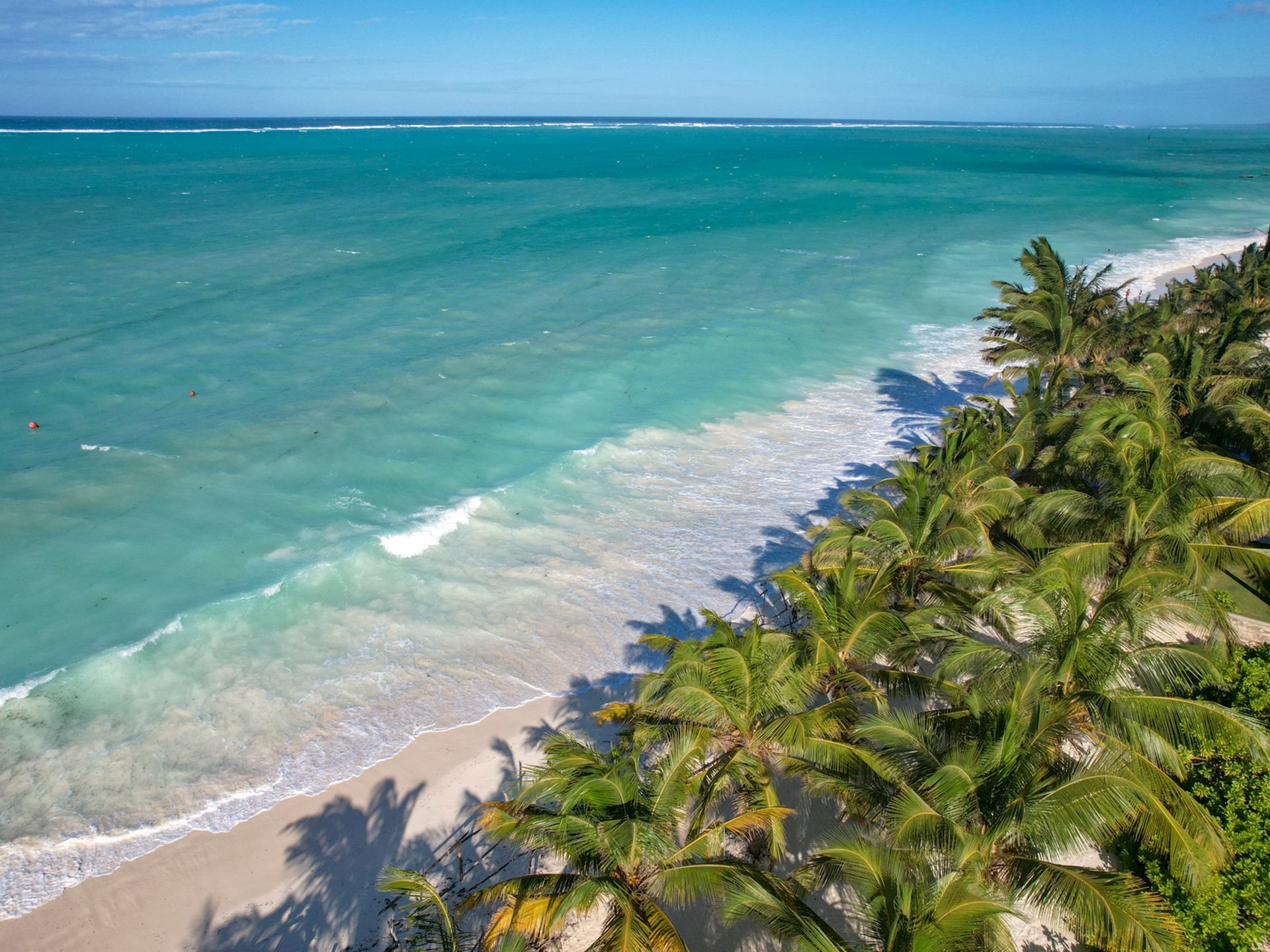
Travelling to Zanzibar does not require complicated preparations, but taking the time to learn a few practical details before your trip can make your stay much more enjoyable. This includes everything from travel formalities and local customs to everyday life on the island and the conditions you can expect along the coast. Although Zanzibar has been a popular travel destination for many years, it still follows its own pace of life and traditions. The more you know before you arrive, the easier it will be to settle in and enjoy your holiday from the very first day.
Good preparation allows you to focus on discovering the island instead of dealing with unexpected issues after landing. A few simple tips about the climate, local customs, and the different regions of Zanzibar can have a greater impact on your overall travel experience than many people expect.
Before travelling, it is worth checking which documents you will need to enter Zanzibar. Entry requirements can change over time, so the most reliable information should always come from official sources before departure.
It is also a good idea to keep copies of your most important documents on your phone or in cloud storage. If your passport or travel documents are lost, having digital copies can make the necessary formalities much easier.
You should also make sure that your passport remains valid for the required period throughout your trip. Before departure, it is worth checking payment options, currency exchange information, and the latest entry requirements for Tanzania and Zanzibar. Spending a few minutes preparing in advance can help you avoid unnecessary stress after arriving.
Most visitors arrive at the airport in Zanzibar City before continuing by car to their hotel. Depending on where you are staying, the transfer can take anywhere from around one hour to almost two hours.
Arranging your transport before arrival is often the most convenient option. It means you can head straight to your accommodation without searching for a taxi or negotiating the fare after a long flight.
Many hotels offer airport transfer services for their guests. Your driver will usually meet you in the arrivals hall, allowing you to continue your journey without unnecessary delays. This is particularly helpful if it is your first visit to Zanzibar.
Zanzibar enjoys favourable weather for most of the year. Temperatures remain consistently warm, while the biggest differences between the seasons are usually rainfall and humidity rather than temperature itself.
It is worth remembering that the so-called green season does not mean constant rain throughout the day. Showers are often brief, and sunshine usually returns soon afterwards. Many travellers actually enjoy visiting during this period because the island is quieter and the landscape becomes particularly green.
The busiest travel periods are generally from June to October and again between December and February. These months usually offer excellent conditions for relaxing on the beach, exploring the island, and spending time outdoors. Travelling outside these periods can also be very rewarding, so the best time to visit depends largely on your own preferences.
One of Zanzibar's most distinctive features is its tides. Within just a few hours, they can completely transform the appearance of the coastline.
Before planning your day, it is worth checking the tide times, especially if you intend to spend time on the beach, go snorkelling, or walk along the shore. Doing so makes it much easier to make the most of your time and experience the coastline in its different forms.
The changes are more noticeable in some parts of the island than in others. Jambiani is one example, where the tides are a natural part of the landscape and significantly influence the appearance of the beach throughout the day.
For many visitors, watching the coastline change soon becomes one of the most memorable parts of their stay. Walking along the beach during low tide offers the chance to see parts of the coral reef and small marine creatures that remain hidden underwater for much of the day. Rather than seeing the tides as an inconvenience, it is worth appreciating them as one of Zanzibar's defining natural features.
Lightweight, breathable clothing is the best choice for Zanzibar's warm climate. A hat, sunglasses, and high-factor sunscreen are also essentials worth packing before you travel.
When visiting villages or places frequented by local residents, it is considered respectful to wear clothing that covers your shoulders and knees. This simple gesture is appreciated by the local community and reflects an understanding of the island's traditions.
Comfortable shoes are also useful for exploring Stone Town, while a lightweight shirt or cover-up can provide extra protection from the sun during the day and be useful in the evening. Packing a few versatile items often proves far more practical than bringing only beachwear.
One of the highlights of travelling is discovering local food, and Zanzibar offers plenty to enjoy. During your stay, it is worth trying pilau, biryani, urojo, chapati, and Zanzibar Pizza, as well as fresh fish and seafood prepared with locally grown spices.
Visiting both restaurants and street food markets is a great way to experience the island's culinary culture. You can see how local dishes are prepared and enjoy meals made fresh throughout the day.
It is also worth looking beyond the best-known dishes. Many local restaurants prepare seasonal meals based on ingredients available that day. This is one of the reasons why food in Zanzibar often tastes different from similar dishes served elsewhere, with fresh spices and locally sourced ingredients giving every meal its own character.
Although Zanzibar offers plenty to see and do, there is no need to fill every day with activities. The island reveals its character best when you allow yourself to slow down.
A walk along the beach at low tide, a coffee overlooking the ocean, or lunch in a small local restaurant often leaves a stronger impression than a busy day of sightseeing.
Leaving one or two days without a detailed itinerary is often a good idea. It gives you the flexibility to adapt your plans to the weather, the tides, or recommendations from local residents. Many travellers discover their favourite places precisely because they allowed room for spontaneous plans.
The different regions of Zanzibar offer very different experiences. Choosing the right location influences not only the views from your accommodation but also the overall pace and character of your holiday.
Pwani Mchangani is a great choice for travellers looking for a quieter setting, wide beaches, and a place where it is easy to slow down. This is where Tamu Tamu Zanzibar Boutique Hotel is located. With just 10 rooms, a covered yoga shala, wellness facilities, and a restaurant focused on fresh seasonal ingredients, it offers a peaceful atmosphere throughout your stay. The surrounding area has retained the character of a working coastal village, making it easy to combine relaxation with discovering everyday life on the island. Long, open beaches and good kitesurfing conditions also make it appealing to more active travellers.
If you are drawn to the southeast coast, Jambiani is well worth considering. The village is known for its long coastline and the noticeable tides that reshape the beach several times a day.
Kaskazi Hotel Zanzibar, located on a cliff slightly south of Jambiani's main beach, offers a quieter setting and wide views across the Indian Ocean. The beach directly below the hotel changes with the tides, which is a natural feature of this part of the coastline. Kaskazi welcomes guests aged 12 and above, making it a popular choice for couples and travellers looking for a more peaceful stay.
Travellers who value independence and privacy may prefer the Bwejuu and Dongwe area. This quieter stretch of coastline is home to Aurea Luxury Villas – Villa Jua and Villa Mwezi. Each villa features a private swimming pool, a fully equipped kitchen, and spacious interiors, making it easy to enjoy Zanzibar entirely at your own pace. It is an excellent option for families, groups of friends, and guests planning a longer stay.
The busiest travel periods are from June to October and from December to February. If you are planning your holiday during these months, it is worth booking your accommodation well in advance.
Early booking gives you a wider choice of rooms or villas and makes it easier to organise transfers, excursions, and other elements of your trip before departure.
It also provides greater flexibility when choosing your preferred location. This is particularly important if you are interested in boutique hotels with a limited number of rooms or private villas, which are often booked well ahead during the peak season.
Zanzibar is part of Tanzania, and its people take great pride in their culture and traditions. Visitors are welcomed warmly, and showing respect for local customs helps create positive interactions throughout your stay.
When exploring villages, it is advisable to dress more modestly than you would on the beach. It is also polite to ask permission before taking photographs of local residents. These simple gestures are appreciated and help create a friendly atmosphere.
Learning a few words of Swahili is another thoughtful way to connect with local people. Simple expressions such as Jambo (hello), Asante (thank you), and Karibu (welcome) often bring a smile and show an interest in the island's culture.
YOUR DREAM VACATION