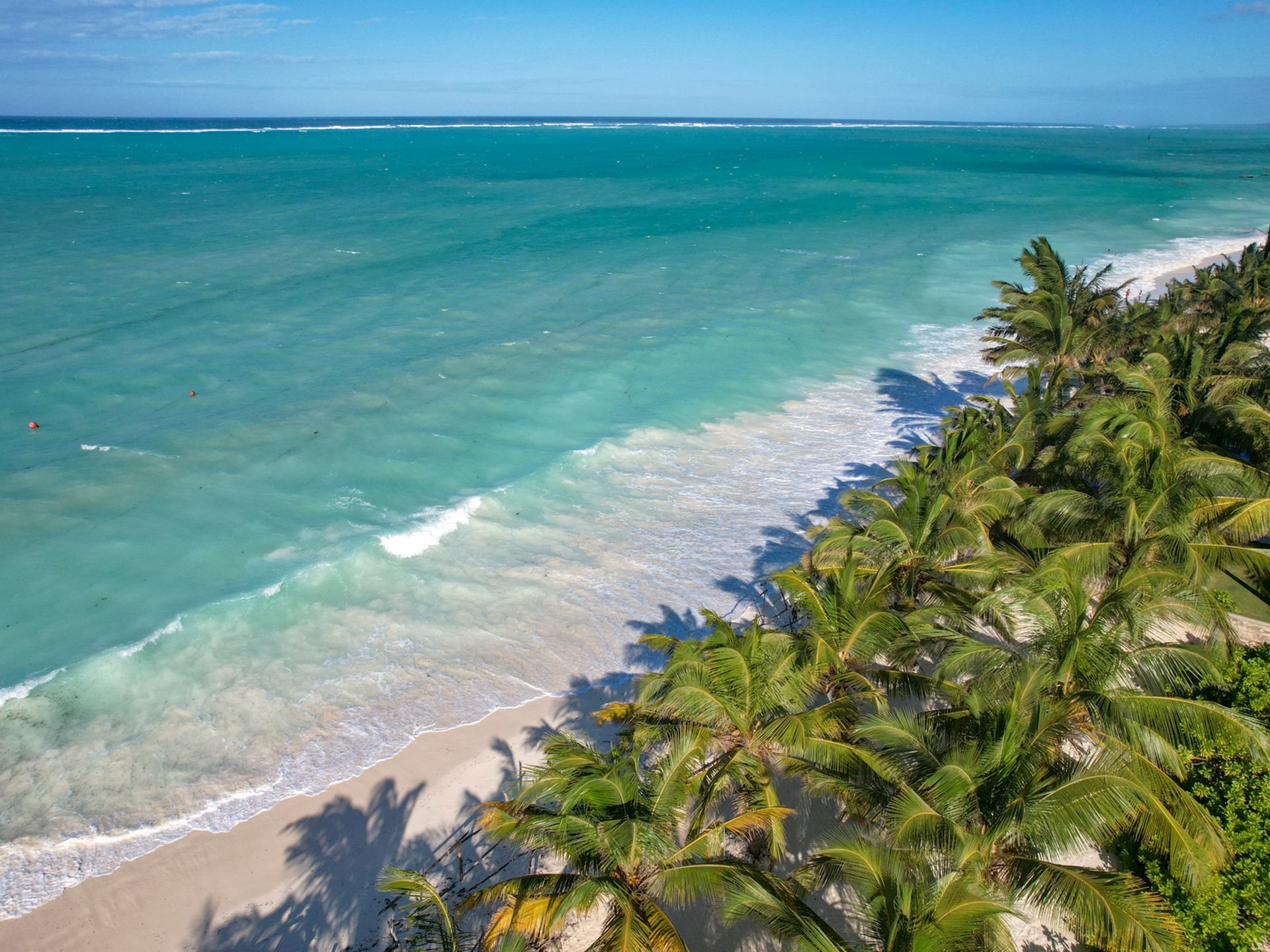
Most people picture white sandy beaches and turquoise waters when they think about Zanzibar. While the coastline is undoubtedly one of the island's greatest attractions, there is much more to discover. In just a few days, you can explore the historic streets of Stone Town, visit a spice plantation, sample local dishes, or set sail on a traditional dhow boat. Every day on the island can offer something completely different.
There is no single itinerary that suits every traveller. Some people prefer an active holiday and want to see as much as possible, while others look for quieter places and time to slow down. Leaving a little room for spontaneity often leads to the most memorable experiences, including places you won't find in guidebooks.
If you're wondering where to begin, here are ten ideas to help you discover the many sides of Zanzibar.
Stone Town is widely regarded as the historical heart of Zanzibar. For centuries, merchants from Africa, the Arabian Peninsula, and India met here, leaving a lasting influence on the town's architecture and character.
Put the map away for a while and simply wander through the narrow streets. You'll come across small squares, local shops, cafés, and the beautifully carved wooden doors for which Stone Town is famous. It's also worth visiting Darajani Market, where local residents buy fresh fish, spices, fruit, and vegetables.
Stone Town offers a completely different side of Zanzibar compared to the coastal areas. Even a few hours spent exploring its streets provide a better understanding of the island's history and everyday life.
Cloves, cinnamon, cardamom, and vanilla have been associated with Zanzibar for generations. Visiting a spice plantation gives you the opportunity to see these plants before they become part of everyday cooking or appear on supermarket shelves.
Guides introduce visitors to a wide range of spices, explain how they are used, and often encourage guests to identify them by their aroma. It is one of those experiences where you discover details that rarely appear in travel guides.
Many plantations also grow tropical fruit and herbs used by local communities every day, making the visit much more than simply learning about cloves or vanilla.
Food is one of the easiest ways to get to know the island. Local menus often feature fresh fish, seafood, pilau, biryani, urojo, and chapati. You should also try Zanzibar Pizza, which, despite its name, has very little in common with the Italian classic.
It's really worth exploring - small family-run eateries often prepare dishes using recipes passed down through generations, while the menu changes according to what is available at the local market or brought in by fishermen that day.
If you enjoy trying new flavours, don't hesitate to ask for local recommendations. Restaurant staff are usually happy to suggest the dishes most popular with local residents.
The coastline in Zanzibar can look completely different in the morning and again a few hours later. This is because of the tides, which are a natural part of everyday life on the island.
At low tide, wide stretches of sand and parts of the coral reef become visible. It's the perfect time for a walk along the shore or for spotting small marine creatures in the shallow lagoons. Later in the day, the ocean returns and changes the landscape once again.
Before planning time at the beach or booking a boat trip, it's worth checking the tide times. This simple step makes it much easier to enjoy the coastline in its different forms.
Traditional wooden dhow boats have been used along the East African coast for centuries. Today, many of them offer visitors short and longer cruises across the waters of the Indian Ocean.
Sunset cruises are especially popular. They provide an opportunity to admire the coastline from a different perspective, relax away from the beach, and enjoy the changing colours of the sky from the deck of a traditional sailing boat.
Depending on the route, some cruises also include time for swimming or snorkelling. For many travellers, an evening spent on a dhow becomes one of the highlights of their stay.
If you enjoy staying active, Zanzibar offers plenty of opportunities. The island's east coast has long attracted kitesurfers, with conditions changing throughout the year as the seasonal winds shift.
The best-known locations are Paje and Jambiani, where you'll find numerous kitesurfing schools and equipment rental centres. Pwani Mchangani is a quieter alternative that also offers good conditions while usually being less crowded than Paje.
Not interested in kitesurfing? There are plenty of other options, including snorkelling, diving, paddleboarding, and kayaking. The warm waters of the Indian Ocean make these activities enjoyable for most of the year.
Although Zanzibar isn't a particularly large island, its different regions each have their own atmosphere. Jambiani is known for its quieter setting and long coastline, Pwani Mchangani has a more local character with less development, while Bwejuu and Dongwe are often chosen by travellers looking for greater privacy.
Even if you're staying in one location, it's worth spending a day exploring another part of the island. A relatively short drive is enough to experience a completely different landscape and pace of life.
Local markets are among the best places to experience everyday life in Zanzibar. The stalls are filled with fresh fish, fruit, spices, and vegetables that will make their way into homes and restaurants later the same day.
In the evening, it's also worth visiting one of the island's street food markets. This is a great opportunity to try pilau, mishkaki, urojo, or Zanzibar Pizza prepared fresh right in front of you.
Not every memorable moment has to be carefully planned before your trip. Sometimes the best experiences come from simply wandering through a village, stopping for a coffee overlooking the ocean, or discovering a small restaurant recommended by local residents.
Zanzibar has its own rhythm. Rather than trying to see everything in just a few days, it's worth slowing down and enjoying the island at a more relaxed pace. A quiet afternoon often leaves a stronger impression than another attraction crossed off a list.
The place where you stay can shape your entire holiday. Before booking, it's worth thinking not only about the hotel itself but also about its location and how you would like to spend your time on the island.
Tamu Tamu Zanzibar Boutique Hotel in Pwani Mchangani is an excellent choice for travellers looking for a quieter setting. This intimate property offers just 10 rooms, a covered yoga shala, wellness facilities, and a restaurant centred on fresh, seasonal ingredients. The nearby beaches are spacious, and the area is also well suited to kitesurfing.
If ocean views are high on your list, consider Kaskazi Hotel Zanzibar in Jambiani. The hotel is located on a cliff slightly south of the village's main beach, giving it a more secluded feel. The beach directly below the property changes with the tides, disappearing at high tide and returning at low tide as part of the area's natural coastal landscape. Kaskazi Hotel Zanzibar welcomes guests aged 12 and above, making it particularly popular with couples and travellers looking for a quieter stay.
For those who value complete independence, Aurea Luxury Villas in the Bwejuu and Dongwe area offers an excellent alternative. Villa Jua and Villa Mwezi each feature a private swimming pool, a fully equipped kitchen, and spacious living areas, making it easy to enjoy Zanzibar at your own pace.
YOUR DREAM VACATION